

Blog
Understanding Supplements: What “Support” Really Means



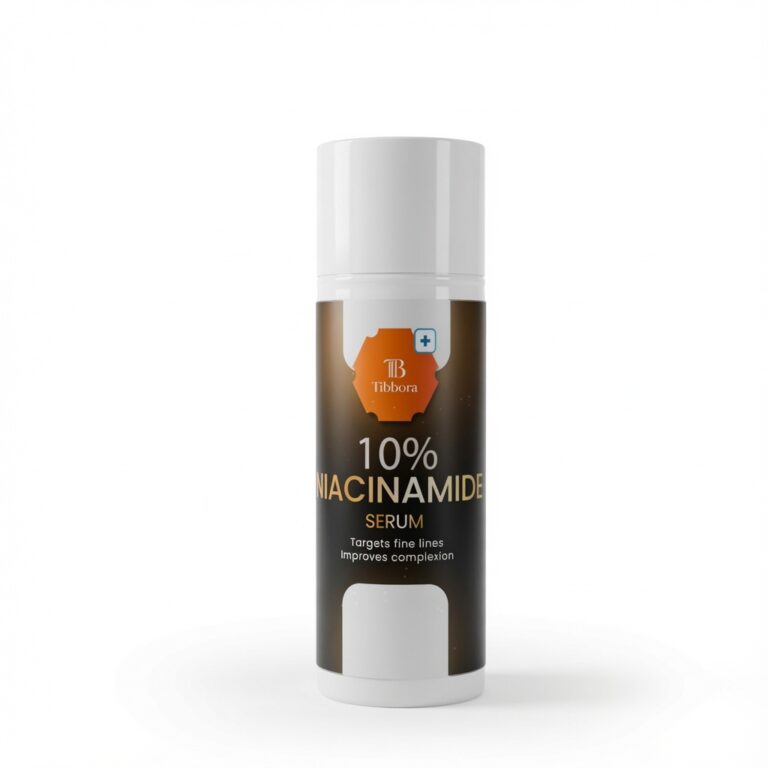
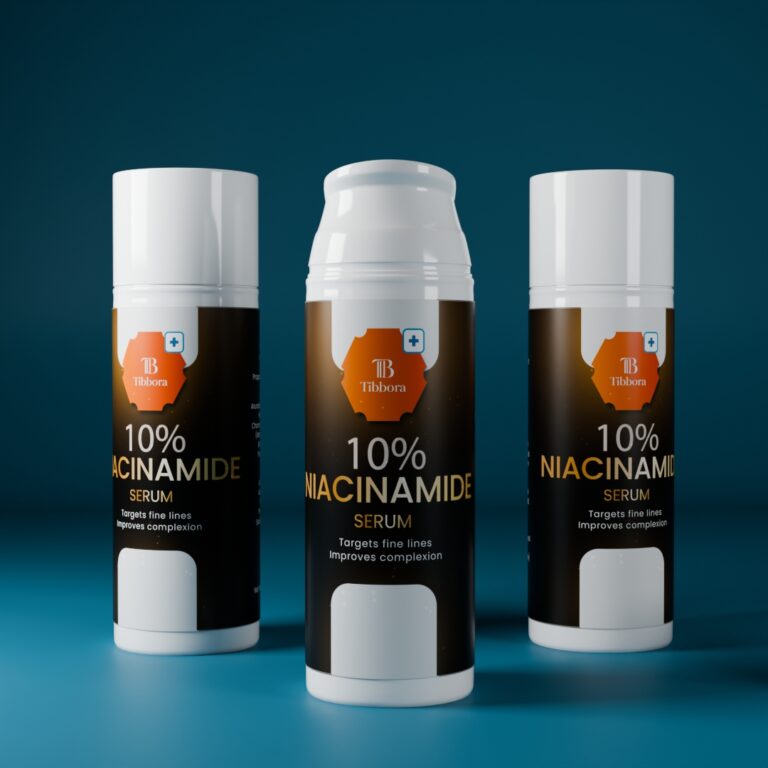
10% Niacinamide Serum
In stock
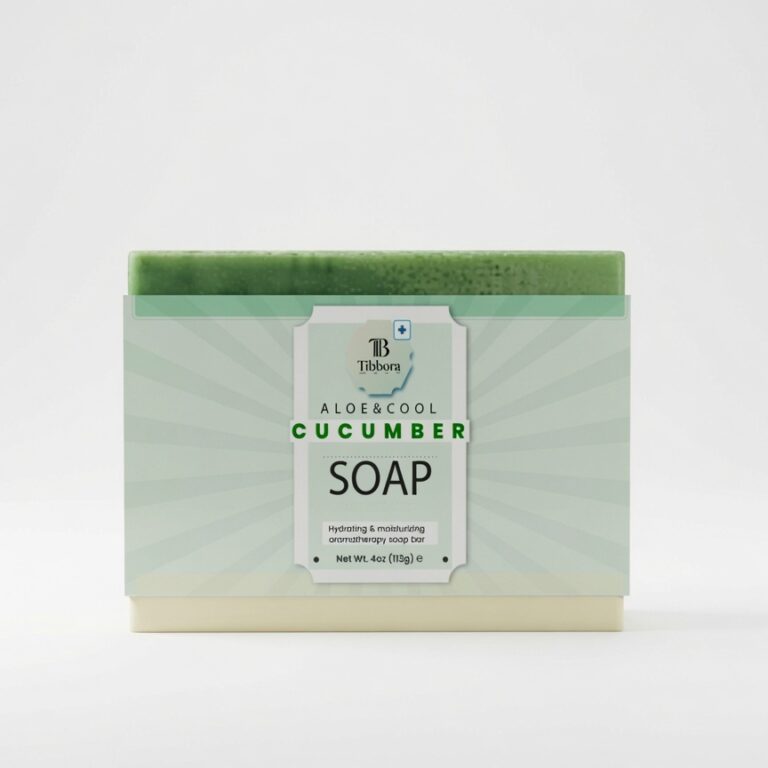
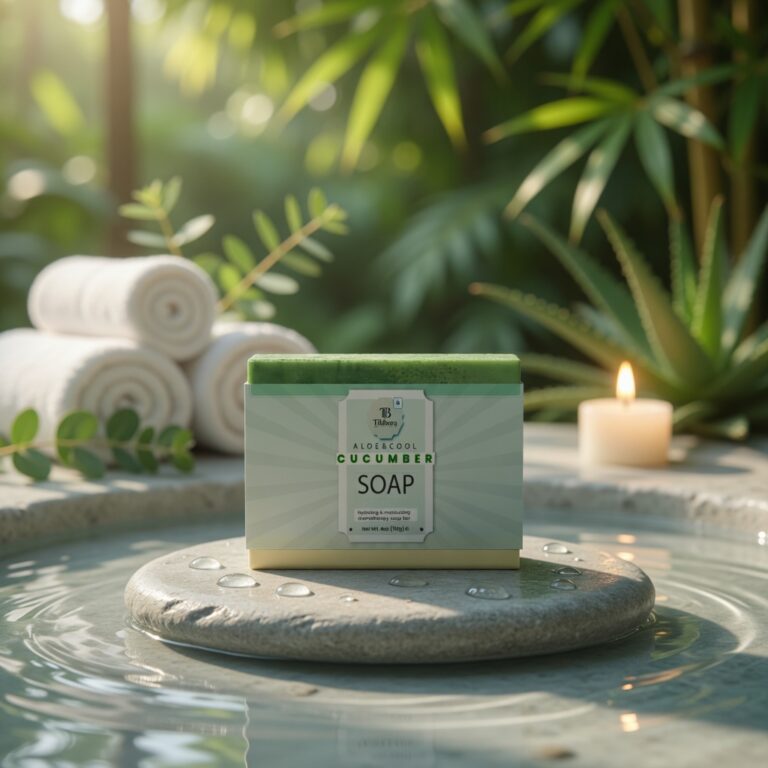
Aloe & Cool Cucumber Soap
In stock
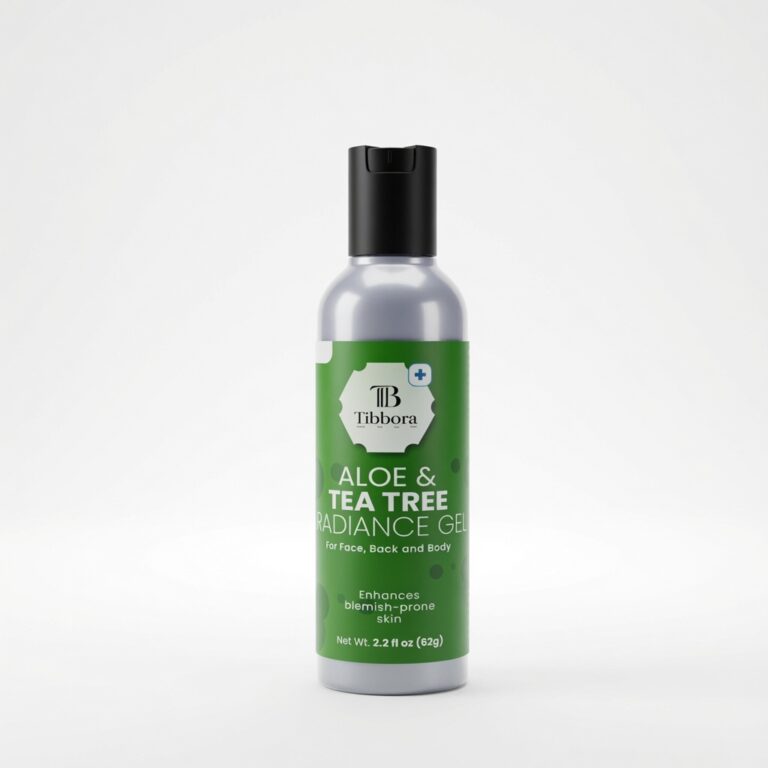

Aloe & Tea Tree Radiance Gel
In stock
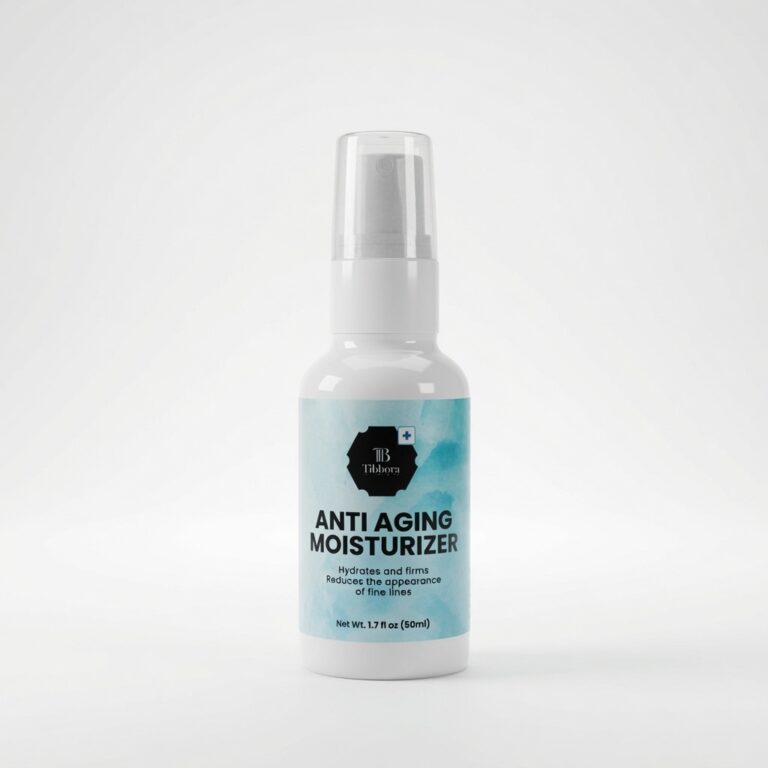

Anti Aging Moisturizer
In stock
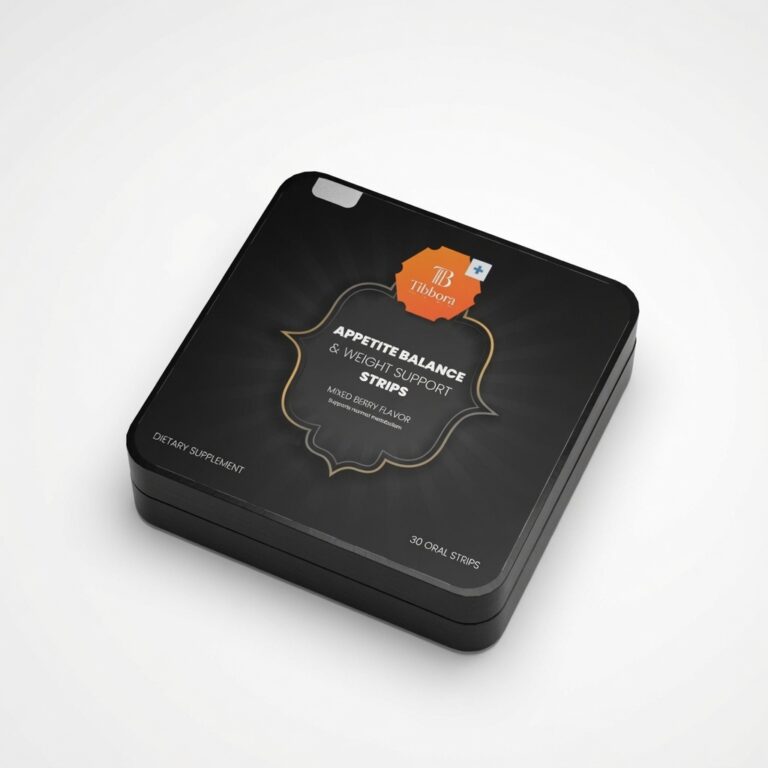
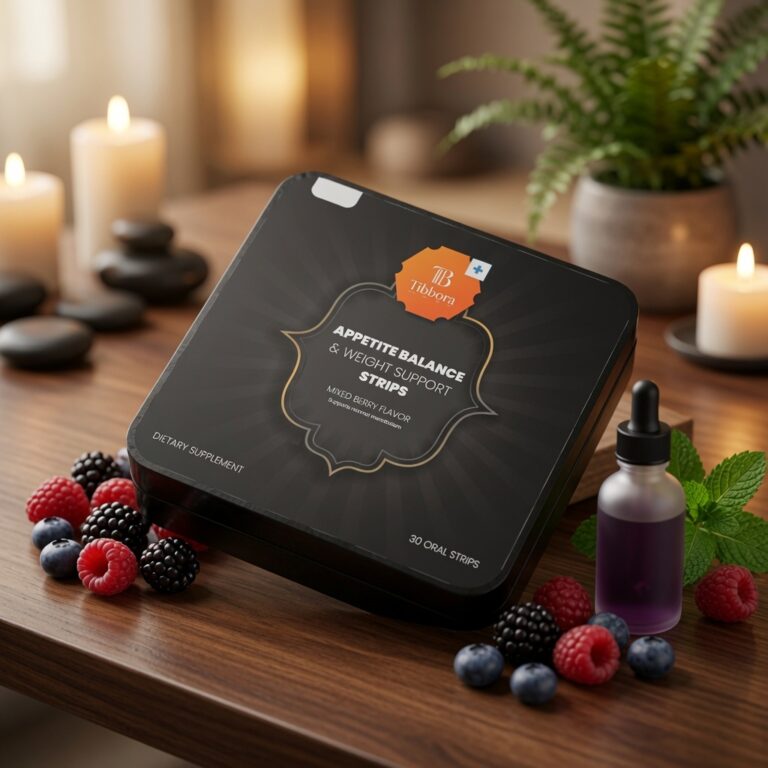
Appetite Balance & Weight Support Strips
In stock
Appetite Balance & Weight Support Strips are fast-dissolving oral strips formulated with Saffron Extract, Chromium, and Molybdenum to support balanced nutrition, normal metabolism, and overall wellness. Designed for adults with active lifestyles, each strip dissolves on the tongue for convenient daily use.
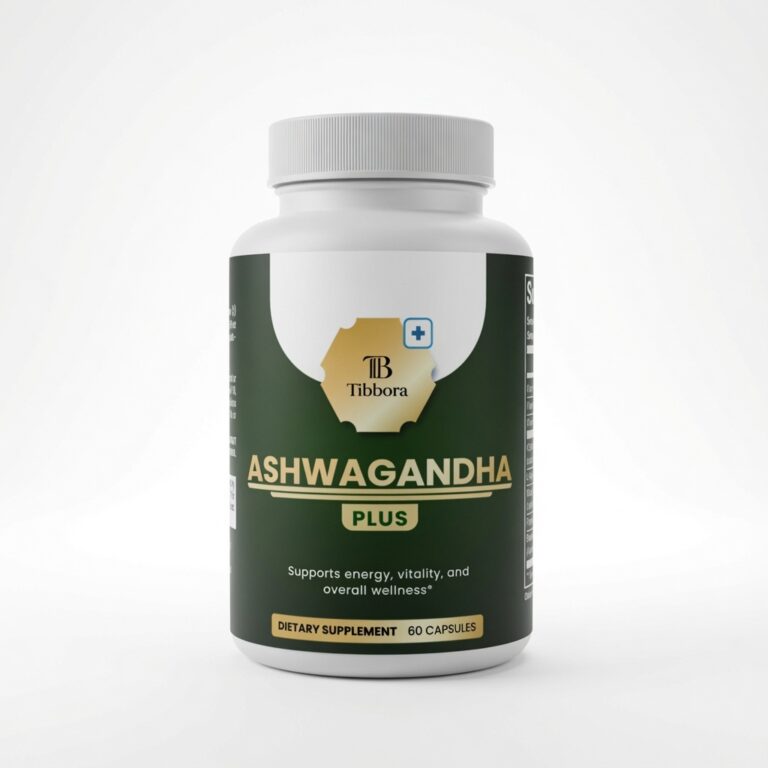
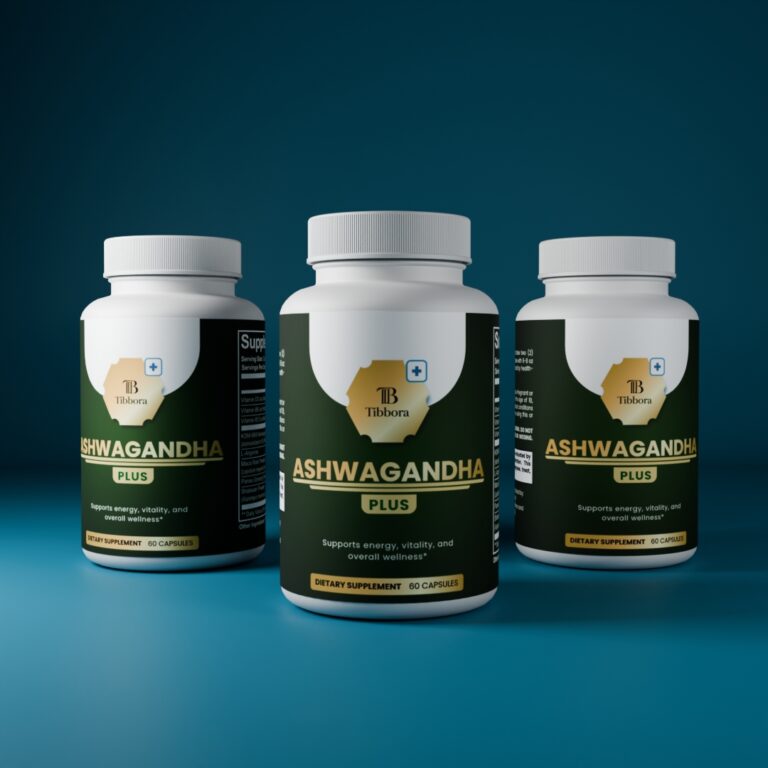
Ashwagandha Plus
In stock
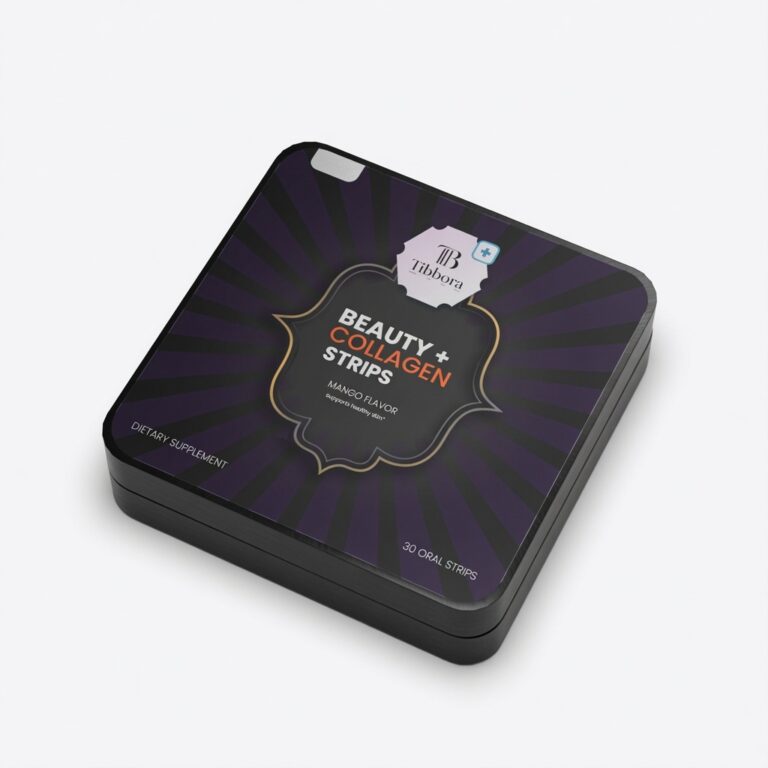

Beauty + Collagen Strips
In stock
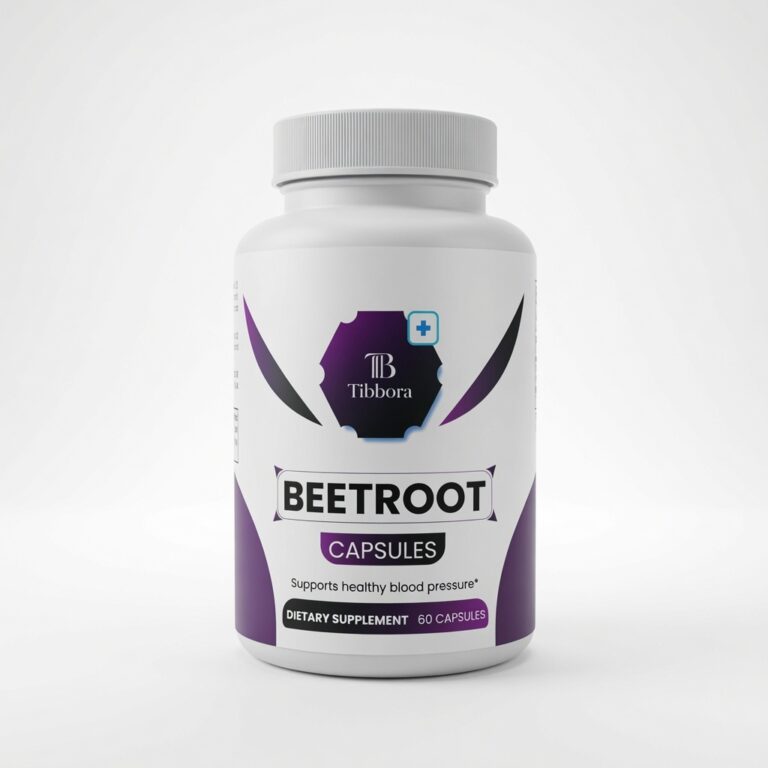
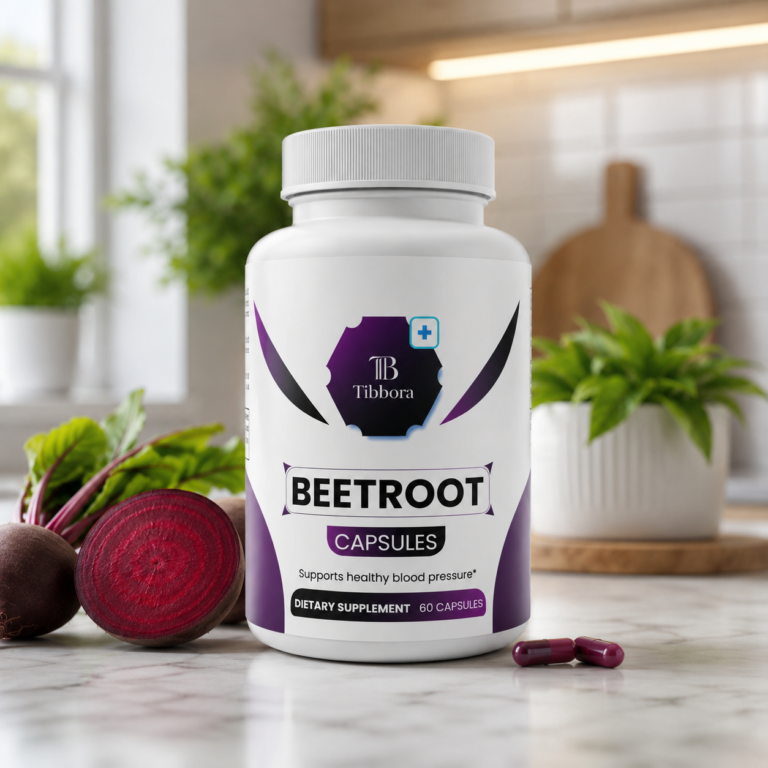
Beetroot
In stock

Related Posts

Why Consistency Matters More Than Trends in Wellness

Wellness trends come and go quickly. While they can be exciting, they often create unrealistic expectations. Long-term wellness is buil...

Clean Beauty: What to Look for in Everyday Skincare
“Clean beauty” has become a popular term, but its meaning can vary widely. At its core, clean beauty focuses on transparency, simplicit...